Industry Endorsements & Quality Benchmarks
When choosing an automotive repair shop, understanding the difference between marketing claims and verified credentials makes all the difference. This guide walks you through the industry endorsements and certifications that actually matter—the benchmarks that separate quality shops from average operators.
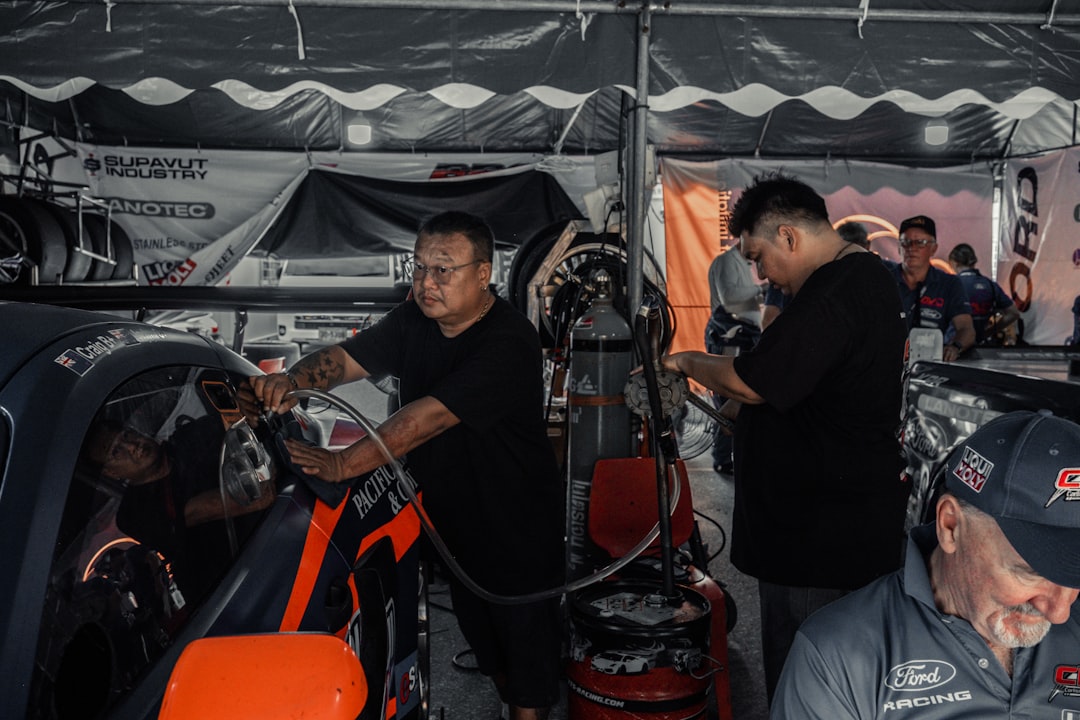
What Shop Certifications & Endorsements Mean
Industry endorsements and certifications serve two distinct purposes. Some verify that technicians possess specific knowledge and skills. Others confirm that a shop meets established quality standards. The most valuable endorsements come from independent organizations with rigorous testing and ongoing oversight—not trade associations that simply collect membership dues.
When evaluating a repair shop, look beyond flashy logos. Instead, investigate whether their certifications carry weight in the industry, require ongoing education, and are backed by meaningful oversight. A shop with genuine credentials will proudly explain what they’ve earned and why it matters to your vehicle’s care.
Frequently Asked Questions About Shop Credentials
What’s the difference between manufacturer certifications and independent certifications?
Manufacturer certifications (like Ford, BMW, or Volvo certifications) verify that technicians have completed training specific to that brand. Independent certifications test broad competency across the entire industry. Both matter: manufacturer certs prove brand-specific expertise, while independent certs show comprehensive knowledge and ongoing education.
How often do technicians need to renew their certifications?
Most certifications require continuing education. ASE certifications, for example, must be renewed every five years through either re-examination or completion of approved training. Shops that prioritize certification renewal are investing in keeping their technicians current with modern vehicle technology.
What should I do if a shop claims certifications but can’t provide proof?
That’s a red flag. Legitimate certifications can be verified. Ask to see certificates, ask for the technician’s name and certification number, and verify independently through the certifying body. Most certification organizations offer online databases where you can confirm current, valid certifications. Don’t accept vague claims or promises to show documentation later.
Are shop certifications required by law?
Not universally. Certification requirements vary by state and locality. However, shops that proactively pursue and maintain certifications demonstrate a commitment to excellence beyond what’s legally required. This voluntary investment typically correlates with higher quality service and better customer outcomes.
What about online reviews—aren’t those a form of endorsement?
Online reviews provide valuable insight into customer experience, but they’re subjective and sometimes manipulated. Industry certifications are objective—they’re based on testing, education, and verification. Use reviews alongside credentials: certifications prove technical competency; reviews show how shops apply that competency in practice.
Key Industry Credential Types
| Credential Type | Who Administers It | What It Verifies |
|---|---|---|
| ASE Certification | National Institute for Automotive Service Excellence | Comprehensive knowledge across multiple automotive specialties; requires testing and renewal |
| Manufacturer Certification | Vehicle manufacturer (Ford, BMW, Volvo, etc.) | Brand-specific training and expertise; demonstrates knowledge of proprietary systems |
| AAA Approved Auto Repair | American Automobile Association | Shop-level quality standards and customer service practices; third-party oversight |
| BBB Accreditation | Better Business Bureau | Business practices and complaint resolution; ongoing monitoring of operations |
| State/Local Licenses | State and local regulatory bodies | Compliance with basic operating requirements and regulatory standards |
How to Verify Shop Credentials
Here’s a practical step-by-step process to investigate whether a shop’s claimed credentials are legitimate:
- Ask Directly — When you call or visit, ask what certifications their technicians hold. Write down names and certification numbers.
- Request Documentation — Ask to see actual certificates. Legitimate shops keep these accessible and are proud to share them.
- Verify Online — Use the certifying body’s verification tool. Most organizations have searchable databases. For example, ASE allows you to verify technician certifications at ase.com.
- Check the Dates — Ensure certifications are current. Expired certifications don’t count. Look for dates showing recent renewal activity.
- Ask About Training — Probe deeper: “What continuing education has your team completed recently?” Quality shops invest regularly in keeping skills sharp.
- Cross-Reference Multiple Sources — Don’t rely on a single credential. A shop with ASE + manufacturer certification + AAA approval demonstrates comprehensive commitment to quality.
Making Your Choice with Confidence
Choosing a repair shop deserves the same careful consideration you’d give to any professional service. Look for shops where credentials are current, verifiable, and backed by continuing education. Combine this investigation with customer reviews and personal recommendations. When you find a shop that checks all these boxes—technical credentials, ongoing learning, and genuine customer focus—you’ve found a partner you can trust with your vehicle’s care.